This article was generated using AI and is based on real customer reviews from the Amazon platform. It contains affiliate links, meaning we may earn a commission—at no extra cost to you. As Amazon Associates, we earn from qualifying purchases.
Setting up a zero-waste kitchen
Key Takeaways
- Opt for reusable containers and utensils to reduce waste.
- Prioritize bulk buying to minimize packaging waste.
- Choose eco-friendly decor that supports your zero-waste goals.
- Implement composting to handle organic waste efficiently.
- Incorporate sustainable textiles for kitchen curtain or table settings.
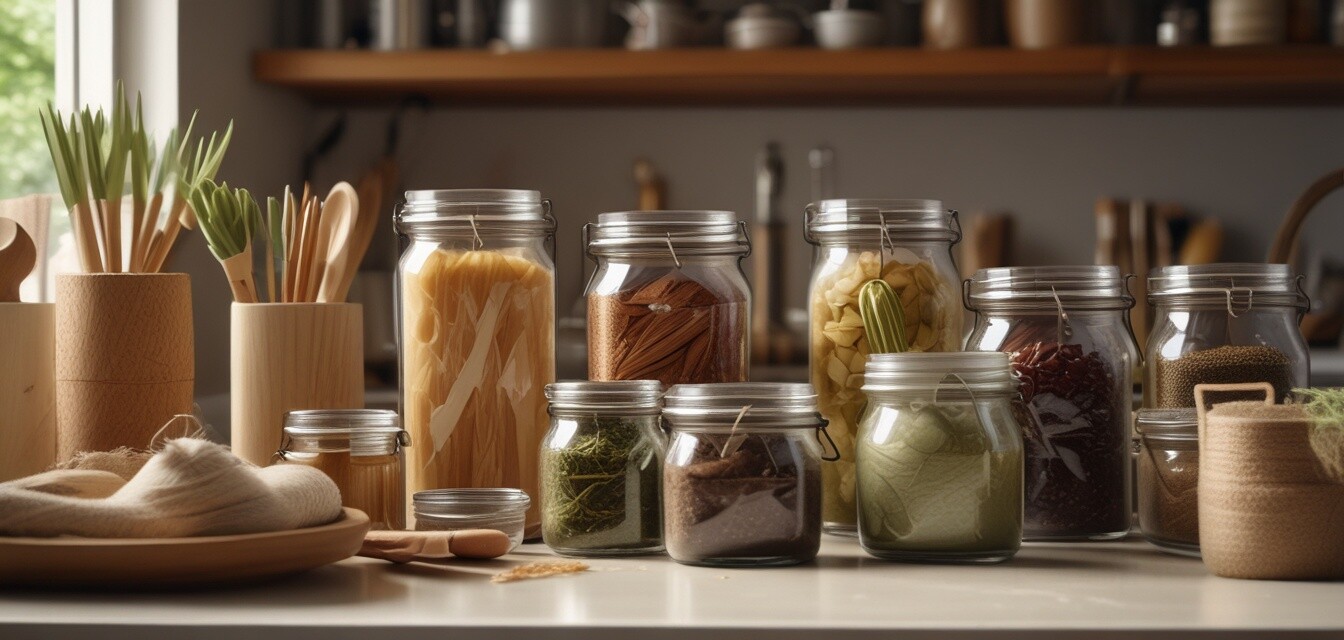
Establishing a zero-waste kitchen can seem challenging, but with the right approach and eco-friendly products, you can create a sustainable space that minimizes waste. This article will guide you through practical tips for transforming your kitchen into a zero-waste haven.
Understanding Zero-Waste Principles
The zero-waste philosophy focuses on reducing waste production by changing consumption habits. This includes rethinking how we shop, use, and dispose of items in our kitchens. Here are some fundamental principles to consider:
- Refuse unnecessary items.
- Reduce what you consume.
- Reuse what you can.
- Recycle items responsibly.
- Compost organic waste.
Steps to Create a Zero-Waste Kitchen
1. Audit Your Kitchen
Start by reviewing your current kitchen setup. Identify items that can be replaced with zero-waste alternatives.
2. Invest in Reusable Containers
Replace single-use items with reusable options. Consider the following:
| Single-Use Item | Zero-Waste Alternative |
|---|---|
| Plastic Wrap | Beeswax Wrap or Silicone Lids |
| Plastic Bags | Reusable Cloth Bags |
| Disposable Utensils | Stainless Steel or Bamboo Utensils |
| Bottled Cleaning Products | Bulk Refillable Cleaners |
3. Bulk Buying and Local Shopping
Embrace bulk buying to minimize packaging waste. Many local stores offer bulk bins for grains, nuts, and spices. Here's a simple checklist:
- Bring your own containers for bulk purchases.
- Choose local, seasonal produce to limit transportation waste.
- Support stores focused on sustainable practices.
4. Composting Organic Waste
Setting up a compost system at home will significantly reduce food waste. Here are some composting options:
- Backyard Compost Bin
- Worm Composting (Vermicomposting)
- Indoor Bokashi Bin for limited space
5. Eco-Friendly Kitchen Decor
When it comes to decorating a zero-waste kitchen, prioritize sustainable materials. Some options include:
| Decor Item | Sustainable Material |
|---|---|
| Rugs | Natural or Recycled Fibers |
| Curtains | Organic Cotton or Linen |
| Wall Art | Reclaimed Wood or Upcycled Materials |
6. Emphasize Natural Textiles
Incorporating eco-friendly textiles into your kitchen not only adds style but also aligns with your zero-waste efforts. Consider visiting our page on Eco-Friendly Textiles for more information.
Pros
- Reduces overall waste effectively
- Encourages a sustainable lifestyle
- Can save money over time
- Creates a healthier home environment
Cons
- Initial investment cost may be high
- Requires commitment and changing habits
- Limited options may be available locally
Maintaining a Zero-Waste Kitchen
After setting up your zero-waste kitchen, maintaining it requires ongoing effort. Here are some tips:
- Regularly check inventory to avoid food waste.
- Stay informed about sustainable practices through resources like our Sustainable Living Tips blog.
- Encourage your family to participate in zero-waste efforts.
Conclusion
Establishing a zero-waste kitchen is an important step towards sustainable living. By implementing these tips and utilizing eco-friendly products, you can create a functional space that not only looks good but also contributes positively to the environment.