This article was generated using AI and is based on real customer reviews from the Amazon platform. It contains affiliate links, meaning we may earn a commission—at no extra cost to you. As Amazon Associates, we earn from qualifying purchases.
Natural Flooring
Key Takeaways
- Natural flooring options are made from renewable resources.
- They contribute positively to indoor air quality.
- Choices include bamboo, cork, and reclaimed wood.
- Natural flooring is durable and often easier to maintain.
- Eco-friendly flooring can enhance the aesthetic appeal of your home.
When it comes to creating an environmentally friendly home, choosing the right flooring is crucial. Natural flooring options not only provide aesthetic appeal but also contribute to sustainability. In this article, we will explore various types of natural flooring, their benefits, and tips for selecting the right one for your space.
Types of Natural Flooring
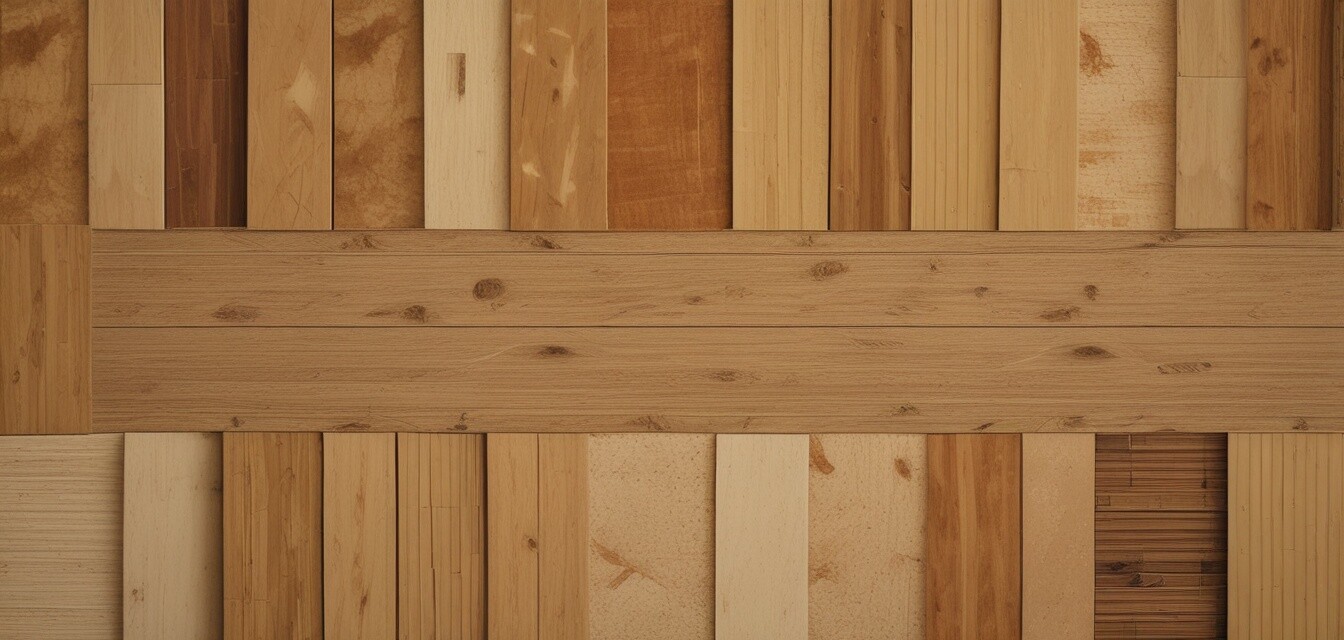
Natural flooring comes in several varieties, each with unique characteristics and benefits. Below are some popular types:
| Type | Description | Benefits |
|---|---|---|
| Bamboo | A fast-growing grass that is harvested sustainably. | Durable, moisture-resistant, and eco-friendly. |
| Cork | Made from the bark of cork oak trees, harvested without harming the tree. | Soft underfoot, sound-absorbing, and naturally resistant to mold. |
| Reclaimed Wood | Wood salvaged from old buildings, furniture, or other structures. | Unique character, reduces waste, and often more affordable. |
| Natural Stone | Includes materials like slate, marble, and granite. | Extremely durable, timeless look, and adds value to your home. |
| Linoleum | Made from natural materials like linseed oil, cork dust, and wood flour. | Biodegradable, low maintenance, and available in various designs. |
Benefits of Natural Flooring
Natural flooring offers a range of advantages that make it a popular choice for homeowners.
- Eco-Friendly: Sourced from renewable materials, these options help reduce your carbon footprint.
- Better Indoor Air Quality: Natural flooring doesn't emit harmful VOCs, making it healthier for your home.
- Durability: Most natural flooring types are built to withstand wear and tear, ensuring longevity.
- Easy Maintenance: Simple cleaning routines can keep natural flooring looking fresh.
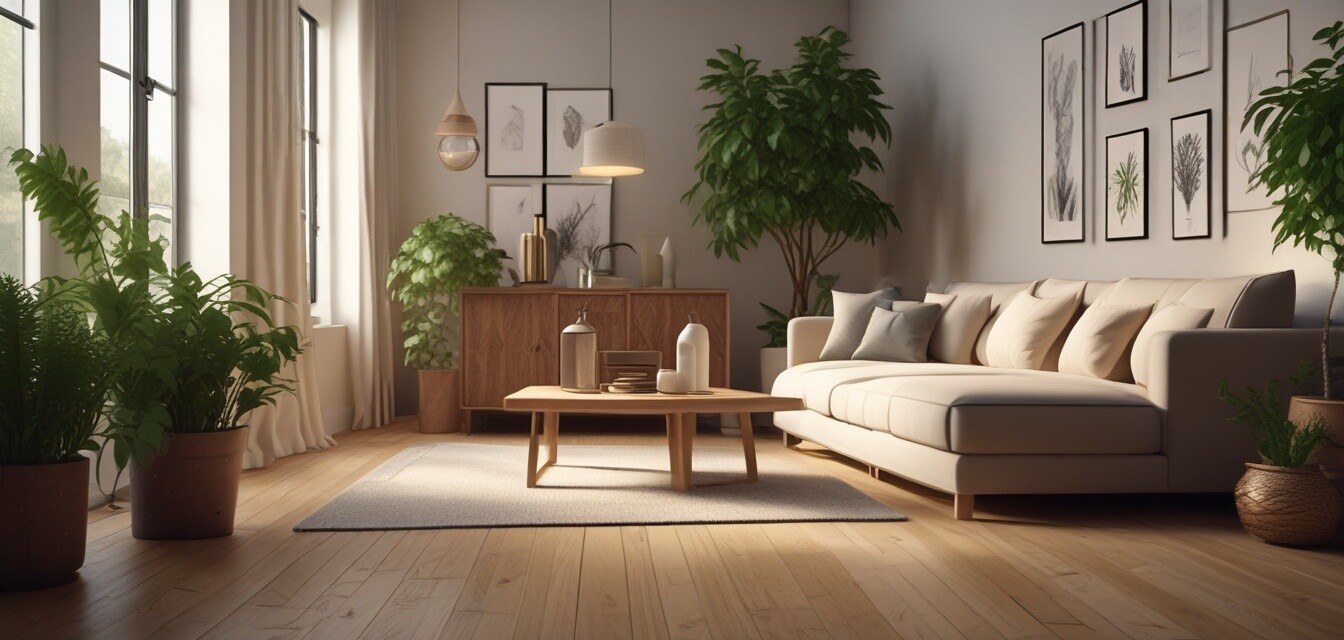
- Aesthetic Appeal: Offers a warm and inviting look that enhances the overall ambiance of any room.
How to Choose the Right Natural Flooring
Selecting the perfect natural flooring for your home can be a daunting task. Here are some tips to guide you:
Tips for Beginners
- Consider the room's purpose: High-traffic areas may require more durable materials.
- Assess your budget: Some options, like reclaimed wood, might be more affordable than you think.
- Think about maintenance: Some materials may require more upkeep than others.
- Test samples: Always try to see and feel samples in your home before making a final decision.
- Consult professionals: Seek expert advice for installation and maintenance options.
Popular Trends in Natural Flooring
Keeping up with flooring trends can help you make informed choices. Here are some popular trends in natural flooring:
- Wide Planks: Wider planks are becoming increasingly popular, offering a more modern look.
- Eco-Friendly Finishes: More homeowners are choosing finishes that are safe for the environment.
- Color Variations: Unique finishes and stains can create stunning visual contrasts.
- Mixed Materials: Combining different types of natural flooring can add interest and character.
Installation Tips for Natural Flooring
Proper installation is key to ensuring the longevity and performance of your natural flooring. Here are some tips:
- Ensure the subfloor is clean, dry, and level before installation.
- Acclimate the flooring material by allowing it to sit in the room where it will be installed.
- Follow the manufacturer's instructions carefully for the best results.
- Consider hiring a professional installer for complex materials.
- Regularly maintain your flooring to keep it in optimal condition.
Conclusion
Natural flooring is an excellent choice for those looking to create an eco-friendly home. With various options available, you can find the perfect flooring that meets your aesthetic and environmental needs. Explore our categories for more information on sustainable options:
- Biodegradable Tableware
- Eco-Friendly Textiles
- Green Wall Art
- Natural Rugs and Carpets
- Recycled Furniture
Pros
- Environmentally friendly materials
- Improved indoor air quality
- Variety of styles and options
- Durable and long-lasting
- Low maintenance requirements
Cons
- Potentially higher upfront costs
- Some materials may require more maintenance
- Installation can be complex for certain types
- Natural variations can lead to inconsistencies in appearance