This article was generated using AI and is based on real customer reviews from the Amazon platform. It contains affiliate links, meaning we may earn a commission—at no extra cost to you. As Amazon Associates, we earn from qualifying purchases.
Creating an Eco-Conscious Meal Prep Routine
Key Takeaways
- Plan meals to reduce food waste.
- Use sustainable, reusable containers for storage.
- Purchase local and seasonal ingredients when possible.
- Compost food scraps to minimize landfill waste.
- Incorporate eco-friendly kitchen tools in your routine.
Meal prepping can be an incredible way to save time, eat healthier, and reduce stress. However, combining meal prepping with eco-conscious practices can greatly minimize waste and promote sustainability in your weekly cooking routine. In this article, we will explore practical tips to help you establish an eco-conscious meal prep routine that not only complements your busy lifestyle but also respects our planet.
Why Eco-Conscious Meal Prep Matters
In today's fast-paced world, the burden of food waste is a growing concern. According to the USDA, approximately 30-40% of the food supply in the United States is wasted. This not only affects the environment but also our wallets. By embracing an eco-conscious approach to meal prepping, you can play a pivotal role in minimizing this waste.
Benefits of an Eco-Conscious Meal Prep Routine
- Reduced food waste: Planning your meals helps you use ingredients efficiently.
- Cost savings: By reducing waste, you save money on groceries.
- Healthier eating: You can control portion sizes and nutritional content.
- Less reliance on single-use plastics: Sustainable prep tools and containers can replace disposable options.
Steps to Create Your Eco-Conscious Meal Prep Routine
1. Plan Your Meals
Start by selecting recipes that use similar ingredients. This way, you can minimize the variety of groceries needed, ultimately reducing waste. Here's how to effectively plan your meals:
| Step | Action |
|---|---|
| Choose Recipes | Select meals that share core ingredients. |
| Create a Shopping List | Write down what you need, sticking to the essentials. |
| Check Your Pantry | Use what you already have before buying new items. |
2. Embrace Sustainable Ingredients
Whenever possible, opt for local, organic, and seasonal ingredients. This not only promotes sustainability but also supports local farmers. Here are a few ideas:
- Buy seasonal produce from local farmers' markets.
- Select organic grains and legumes.
- Check for products that are packaged sustainably.
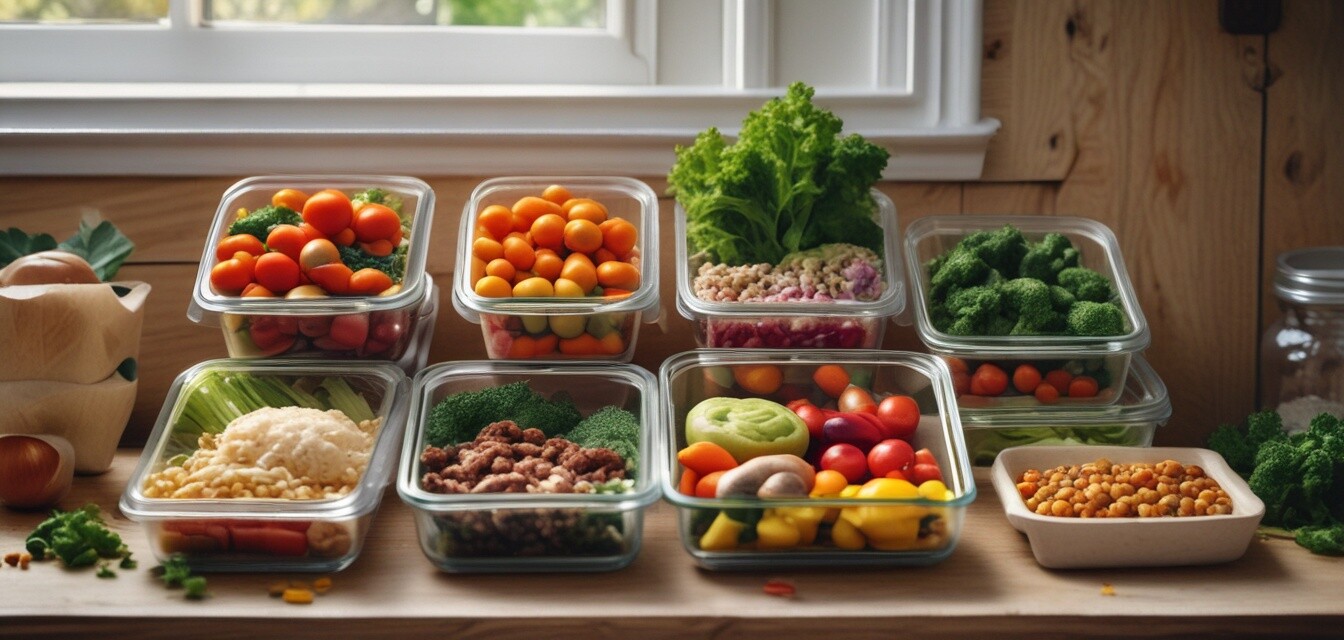
3. Invest in Reusable Containers
Using eco-friendly, reusable containers is a great way to reduce plastic waste. Here are some options:
Pros
- Durable and long-lasting.
- Better for the environment than single-use options.
- Available in various sizes and materials.
Cons
- Higher initial cost compared to disposable containers.
- Requires regular cleaning to maintain freshness.
4. Store Food Thoughtfully
When you’ve prepared your meals, storing them correctly is essential for reducing waste. Here are some tips:
- Label containers with the date and contents.
- Use vacuum-sealed bags for long-term storage.
- Organize your fridge to keep older items in front.
5. Compost Food Scraps
Composting is one of the best ways to reduce food waste. If you have the space, consider setting up a compost bin at home:
- Use vegetable peels, coffee grounds, and eggshells.
- Avoid composting meat and dairy products.
- Regularly turn the compost to aerate it.
Useful Eco-Friendly Tools
Implementing the right tools in your meal prep can significantly enhance your sustainability. Consider these options:
| Tool | Benefits | Recommended Use |
|---|---|---|
| Glass Storage Containers | Reusable, durable, and microwave-safe | Use for meal storage in the fridge |
| Beeswax Wraps | Natural alternative to plastic wrap | Cover bowls and wrap food |
| Reusable Shopping Bags | Reduces plastic consumption | Carry groceries and meal prep ingredients |
Final Thoughts
By integrating these eco-conscious practices into your meal prep routine, you'll not only be fostering sustainability in your kitchen but also contributing positively to the environment. Embrace the simplicity of meal planning, choose your ingredients wisely, and invest in reusables for a greener lifestyle. If you're interested in learning more about sustainable practices, check out our article on sustainable living tips for additional insights and inspiration.