This article was generated using AI and is based on real customer reviews from the Amazon platform. It contains affiliate links, meaning we may earn a commission—at no extra cost to you. As Amazon Associates, we earn from qualifying purchases.
Easy swaps for a greener kitchen
- Simple changes can make a big impact on sustainability.
- Eco-friendly alternatives are available for common kitchen items.
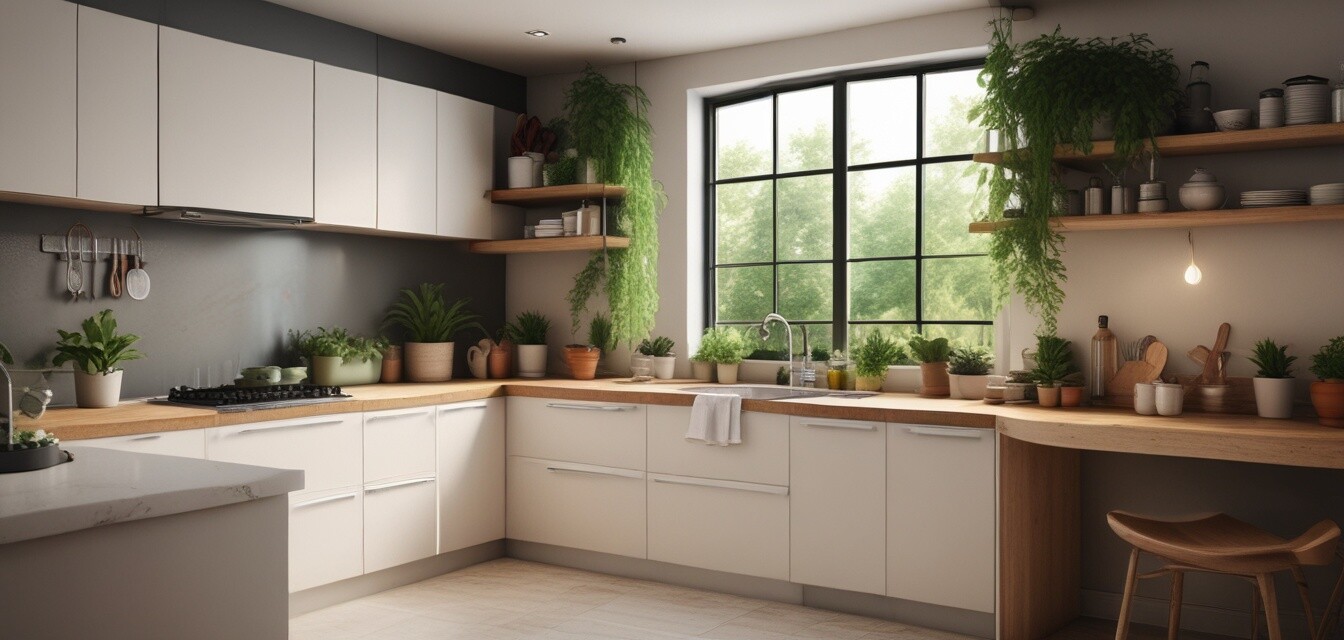
- Enhancing your kitchen's style doesn't have to compromise on sustainability.
In today's world, making sustainable choices is not just beneficial for the environment, but it's also becoming increasingly feasible with eco-friendly alternatives readily accessible. One of the most significant areas where we can apply sustainable practices is in our kitchens. Below, we'll explore easy swaps you can make to create an eco-friendly kitchen that aligns with your values while maintaining style and functionality.
Why a greener kitchen matters
The kitchen is often referred to as the heart of the home, where meals are prepared, and families gather. Unfortunately, it is also a place that can significantly contribute to waste and environmental degradation. By making simple swaps in your kitchen, you can reduce waste, lessen your carbon footprint, and inspire those around you to follow suit.
Key areas to focus on
To create a greener kitchen, consider these areas:
- Utensils and Tools
- Storage Solutions
- Cleaning Products
- Food Storage
- Waste Management
Swaps to make for a sustainable kitchen
1. Utensils and tools
Many common kitchen utensils are made from plastic or non-recyclable materials. Here's how to swap them for greener options:
| Current Item | Eco-Friendly Alternative |
|---|---|
| Plastic spatulas | Bamboo or wooden spatulas |
| Non-stick pans | Cast iron or stainless steel cookware |
| Disposable cutting boards | Bamboo or recycled wood cutting boards |
2. Storage solutions
Keep your food fresh without relying on plastic. Below are some sustainable storage options:
| Current Item | Eco-Friendly Alternative |
|---|---|
| Plastic containers | Glass or stainless steel containers |
| Plastic wrap | Beeswax wraps or fabric wraps |
| Single-use zip-lock bags | Reusable silicone bags |
3. Cleaning products
Chemical-laden cleaning products can harm the environment. Consider these swaps:
| Current Item | Eco-Friendly Alternative |
|---|---|
| Commercial cleaners | Homemade cleaners (vinegar, baking soda) |
| Disposable cleaning wipes | Reusable microfiber cloths |
4. Food storage
Storing food in a sustainable way can also minimize waste. Choices include:
| Current Item | Eco-Friendly Alternative |
|---|---|
| Styrofoam containers | Compostable containers |
| Plastic bags for produce | Reusable mesh produce bags |
5. Waste management
Effective waste management is crucial for sustainability. Here’s how you can improve:
| Current Item | Eco-Friendly Alternative |
|---|---|
| Trash bins for mixed waste | Separate bins for recycling and composting |
| Single-use items | Reusable items (cloth napkins, metal straws) |
Tips for sustainable living
Start small
Don’t overwhelm yourself with drastic changes. Begin with one or two swaps at a time and gradually transition to a fully sustainable kitchen.
Get the family involved
Encourage everyone in your household to participate in making eco-friendly choices. Teach kids about recycling and the benefits of sustainability.
Educate yourself
Stay informed about new sustainable products and innovations that can benefit your kitchen and home. Explore our Sustainable Living Tips for more ideas.
Pros
- Reduces environmental impact
- Can save money in the long run
- Enhances the aesthetic of your kitchen
Cons
- Initial cost may be higher for eco-friendly products
- Some products may not be as widely available
Conclusion
Making the switch to a greener kitchen is achievable and beneficial. With simple swaps and conscious choices, you can significantly reduce your environmental footprint without compromising on quality or style. By investing in eco-friendly tools, storage solutions, and cleaning supplies, you will create a space that not only looks good but does good for the planet.
For more tips on sustainable home decor, check out our articles on biodegradable tableware and eco-friendly textiles, and discover how you can incorporate sustainability throughout your home.