This article was generated using AI and is based on real customer reviews from the Amazon platform. It contains affiliate links, meaning we may earn a commission—at no extra cost to you. As Amazon Associates, we earn from qualifying purchases.
How to Create a DIY Compost Station in Your Kitchen
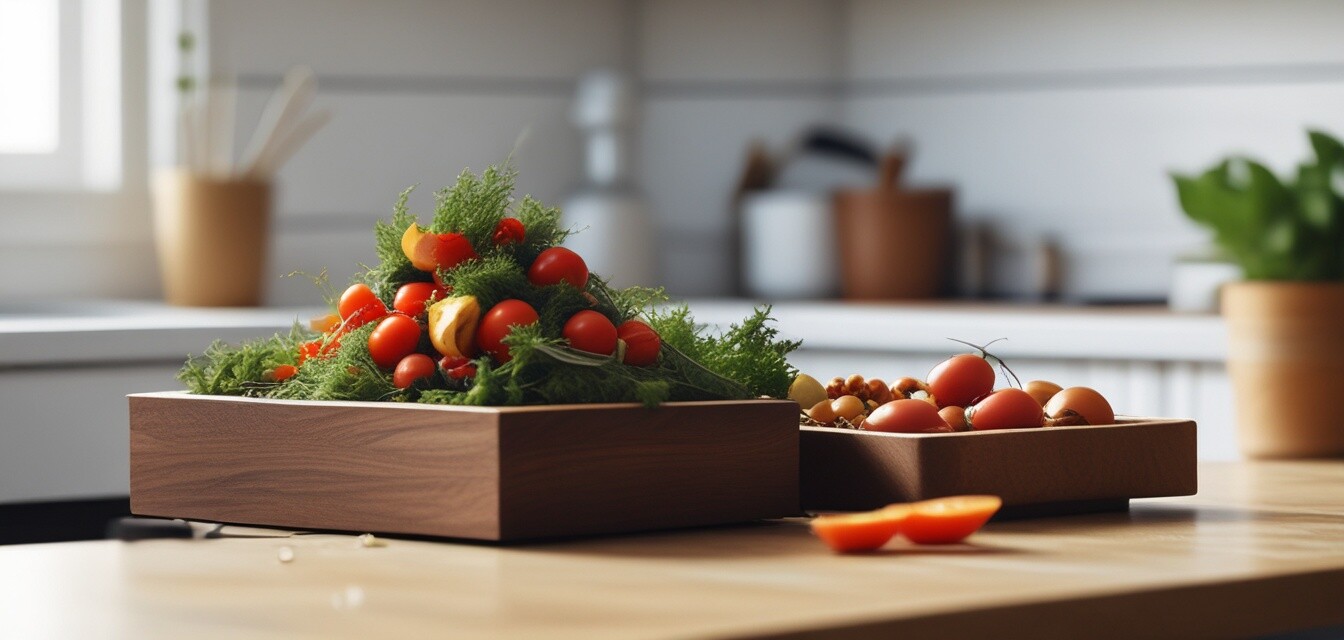
Creating a DIY compost station in your kitchen is an essential step toward sustainable living. Not only does it promote recycling, but it also reduces food waste and enriches your garden soil. In this guide, we'll provide you with everything you need to know about setting up a functional and stylish compost station right in your kitchen.
Key Takeaways
- Setting up a compost station can significantly reduce kitchen waste.
- Choosing the right container is crucial for efficient composting.
- Regular maintenance is necessary to ensure a healthy composting process.
- Composting contributes to a more sustainable home and garden.
Understanding the Basics of Composting
Before diving into the setup, it’s important to understand what composting is. Composting is the natural process of recycling organic material, such as food scraps and yard waste, into a valuable fertilizer that can enrich the soil. It’s beneficial for both your garden and the environment.
Why Compost in Your Kitchen?
Composting in your kitchen minimizes waste and supports a more sustainable lifestyle. Here are some reasons to get started:
- Reduces landfill waste
- Decreases greenhouse gas emissions
- Produces nutrient-rich compost for your plants
- Saves money on fertilizers
Setting Up Your Compost Station
Follow these steps to create an efficient DIY compost station in your kitchen:
Step 1: Choose Your Container
Look for a container that is:
- Easy to clean
- Well-ventilated
- Odor-resistant
- Stylish enough to blend with your kitchen decor
Consider options made from sustainable materials for an eco-friendly touch. Recycled furniture can also inspire your container choice!
Step 2: Determine What to Compost
Here’s a quick list of kitchen scraps that are compostable:
| Type of Organic Waste | Examples |
|---|---|
| Fruits and Vegetables | Peels, cores, and scraps |
| Coffee Grounds | Used coffee filters and grounds |
| Eggshells | Crushed and rinsed shells |
| Grains | Leftover rice, pasta, and bread |
Step 3: Position Your Compost Station
Find a convenient spot in your kitchen, ideally near the sink, so you can easily dispose of scraps. Ensure it's out of reach of pets and children to keep them safe.
Step 4: Maintenance Practices
To maintain your compost station:
- Mix materials regularly to aerate the compost.
- Keep the container closed to minimize odors.
- Add a few layers of paper or cardboard to help with drainage.
- Monitor the moisture level—aim for a banana peel-like texture, slightly damp but not wet.
Troubleshooting Common Issues
If you experience problems with your compost, refer to the following solutions:
| Problem | Possible Causes | Solutions |
|---|---|---|
| Odor | Anaerobic conditions or too many wet scraps | Add dry materials and ensure proper ventilation |
| Pests | Food scraps exposed | Keep container closed and remove any exposed scraps |
| Slow decomposition | Too dry or not enough nitrogen | Moisten materials and add nitrogen-rich waste |
Next Steps: Utilizing Your Compost
Once you have created your compost, the next step is utilizing it effectively. Adding compost to your garden beds or potting soil can help create a thriving, eco-friendly plant environment. For more tips on sustainable practice, you can visit our Sustainable Living Tips page.
Pros
- Easy to set up with minimal cost
- Reduces kitchen waste significantly
- Encourages a healthier garden ecosystem
- Promotes eco-friendly habits in the household
Cons
- Initial learning curve for proper maintenance
- Possible odors if not managed well
- Requires space in your kitchen
Conclusion
Creating a DIY compost station in your kitchen is an impactful step toward sustainable living. By following the steps outlined above, you’ll be well on your way to reducing waste and nourishing your garden. Start your composting journey today and contribute to a greener planet!
For More Information
If you are interested in learning more about sustainable home decor ideas, check out our other product categories such as Eco-Friendly Textiles or Sustainable Lighting. Every small step counts in the journey to a more sustainable home.