This article was generated using AI and is based on real customer reviews from the Amazon platform. It contains affiliate links, meaning we may earn a commission—at no extra cost to you. As Amazon Associates, we earn from qualifying purchases.
The Future of Sustainable Decor: Trends for 2025
Key Takeaways
- Sustainable decor trends are focused on eco-friendly materials that minimize environmental impact.
- Innovations in bioplastics and recycled materials are set to shape the market in 2025.
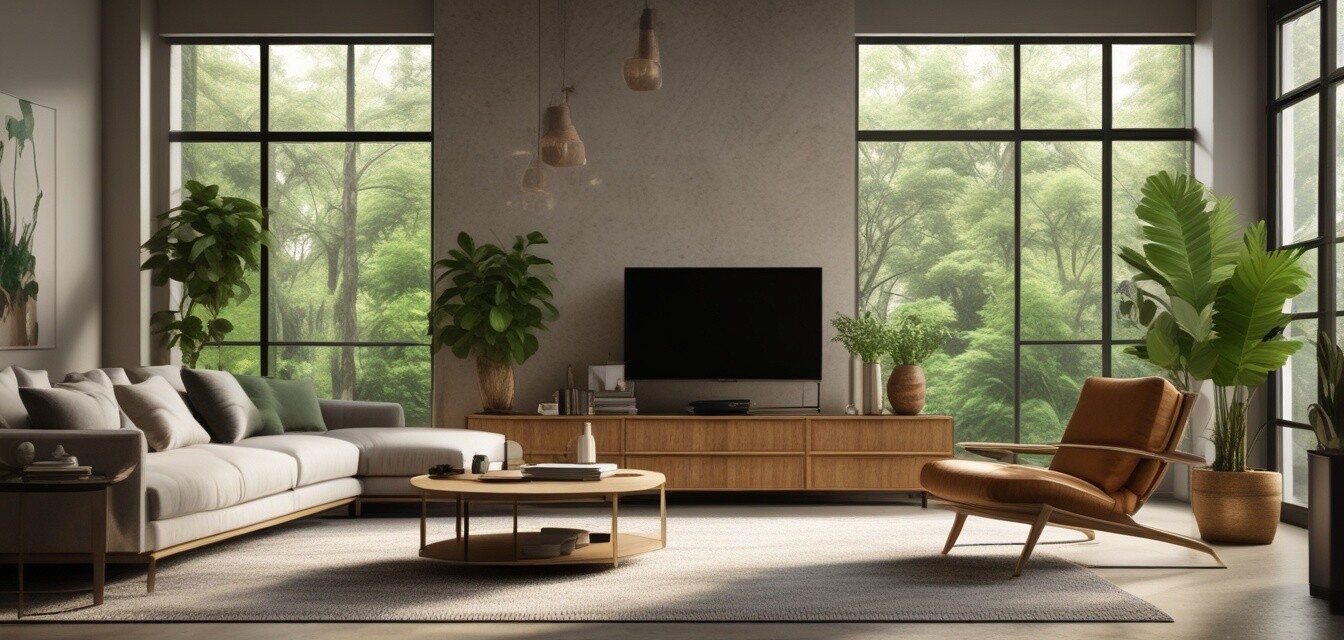
- Nature-inspired designs and biophilic elements will gain popularity in home decor.
- Consumer awareness and demand for sustainable products are driving industry change.
- Local sourcing and artisanal craftsmanship are becoming essential trends in sustainable decor.
As we approach 2025, the landscape of home decor is rapidly evolving, with an increasing focus on sustainability and ecological responsibility. Homeowners are becoming more conscious of their environmental footprint, which has significantly impacted how homes are designed and furnished.
Emerging materials for sustainable decor
The material choices for decorating homes are crucial in reducing waste and promoting the use of renewable resources. Here are some innovative materials to watch for in the future of sustainable decor:
| Material | Description | Impact |
|---|---|---|
| Recycled metal | Metal products made from repurposed materials. | Reduces waste and energy consumption in production. |
| Bamboo | A fast-growing renewable resource being used for furniture and decor. | Low carbon footprint and highly sustainable. |
| Bioplastics | Derived from renewable biomass sources. | Less reliance on petroleum-based plastics. |
| Cork | Harvested from cork oak trees without harming the tree. | Renewable and biodegradable material. |
| Reclaimed wood | Wood salvaged from old buildings and structures. | Reduces deforestation and is rich in character. |
Design philosophies influencing sustainable decor
In addition to innovative materials, the way we approach design is essential in forging a sustainable future. Emerging design philosophies emphasize the importance of harmony between nature and human-made elements. Below are key design trends that will shape interior spaces in 2025:
- Biophilic design: Integrating natural elements to promote a connection with the outdoors in indoor spaces.
- Minimalism: Focusing on simplicity and functionality while reducing clutter and waste.
- Artisanal craftsmanship: Supporting local artisans and handmade products, fostering community and sustainability.
- Adaptive reuse: Reimagining existing spaces rather than building anew, thus conserving resources and energy.
The role of consumer awareness
Consumer preferences are more pivotal than ever in editing the course of decorating trends. As awareness of sustainability grows, homeowners are demanding transparency from brands about their materials and production processes. This shift leads businesses to adopt eco-conscious practices and focuses on sustainable manufacturing. Here is how consumer awareness is affecting the market:
| Aspect | Traditional Decor | Sustainable Decor |
|---|---|---|
| Material sourcing | Often sourced from unsustainable practices. | Emphasizes renewable and recycled materials. |
| Production | High carbon footprint. | Energy-efficient and eco-friendly processes. |
| Consumer transparency | Limited information on sourcing. | Brands openly share sustainable practices. |
| Design philosophy | Trend-driven, often short-lived. | Timeless designs focusing on longevity. |
Supporting local and sustainable brands
One of the most essential trends in sustainable decor is the rise in popularity of local, ethical brands. Consumers are increasingly looking to support local artisans and companies with sustainable practices. By sourcing locally and supporting small businesses, consumers help reduce transportation emissions and promote community development. Consider checking out the following product categories for unique, sustainable items:
- Recycled furniture
- Natural rugs and carpets
- Eco-friendly textiles
- Green wall art
- Biodegradable tableware
Conclusion
The future of sustainable decor is bright, with innovations and trends building upon the essential principles of ecology and harmony. As we look forward to 2025, embrace the eco-friendly materials, designs, and practices that will redefine how we create our living spaces. By supporting sustainability in your decor choices, you contribute to a healthier planet and a more beautiful home.
Pros
- Increased consumer awareness leads to more eco-friendly options.
- Innovative materials reduce environmental impact.
- Supports local economies through artisanal practices.
- Timeless designs enhance the longevity of decor.
Cons
- Higher upfront costs compared to traditional materials.
- Limited availability in certain regions.
- Consumer education is still necessary for informed choices.