This article was generated using AI and is based on real customer reviews from the Amazon platform. It contains affiliate links, meaning we may earn a commission—at no extra cost to you. As Amazon Associates, we earn from qualifying purchases.
How to Select Sustainable Wall Art for Every Room
Welcome to our comprehensive guide on selecting sustainable wall art that reflects your style while promoting eco-conscious living. In today's world, it's important to be mindful of our choices, especially when it comes to decorating our homes. Sustainable wall art not only enhances your decor but also supports environmental responsibility.
Key Takeaways
- Consider materials: Look for eco-friendly options such as recycled paper, reclaimed wood, or non-toxic paint.
- Understand certifications: Check for certifications that indicate environmentally responsible production.
- Match your style: Choose pieces that resonate with your personal aesthetic while promoting sustainability.
- Support local artists: Buy from local artists to reduce your carbon footprint and boost the local economy.
- Be mindful of production: Ensure your wall art comes from brands that prioritize ethical production practices.
Why Choose Sustainable Wall Art?
Sustainable wall art not only beautifies your space but also aligns with a lifestyle that prioritizes the planet. Here are some reasons to consider when selecting your pieces:
- Environmental impact: Traditional manufacturing processes can be harmful to the planet. Sustainable art reduces this impact.
- Unique designs: Sustainable artists often create unique and one-of-a-kind pieces that add character to your home.
- Informed choices: Choosing sustainable art encourages other consumers and brands to adopt environmentally friendly practices.
Materials to Look for in Sustainable Wall Art
The material used for your wall art is crucial in ensuring it is sustainable. Here are some eco-friendly materials to consider:
| Material | Description | Benefits |
|---|---|---|
| Recycled Paper | Made from post-consumer waste. | Reduces landfill waste and saves trees. |
| Reclaimed Wood | Wood sourced from old buildings or furniture. | Reduces the need for new timber, preserving forests. |
| Bamboo | A fast-growing, renewable resource. | Eco-friendly and durable choice for frames and canvases. |
| Non-toxic Paints and Inks | Using soy or vegetable-based paints. | Safer for the environment and your home. |
| Organic Cotton | Made without synthetic herbicides or pesticides. | Better for the earth and often more durable. |
Styles of Sustainable Wall Art
When selecting sustainable wall art, consider the following styles that can fit into various home aesthetics:
- Nature-inspired: Artwork featuring landscapes, flora, and fauna.
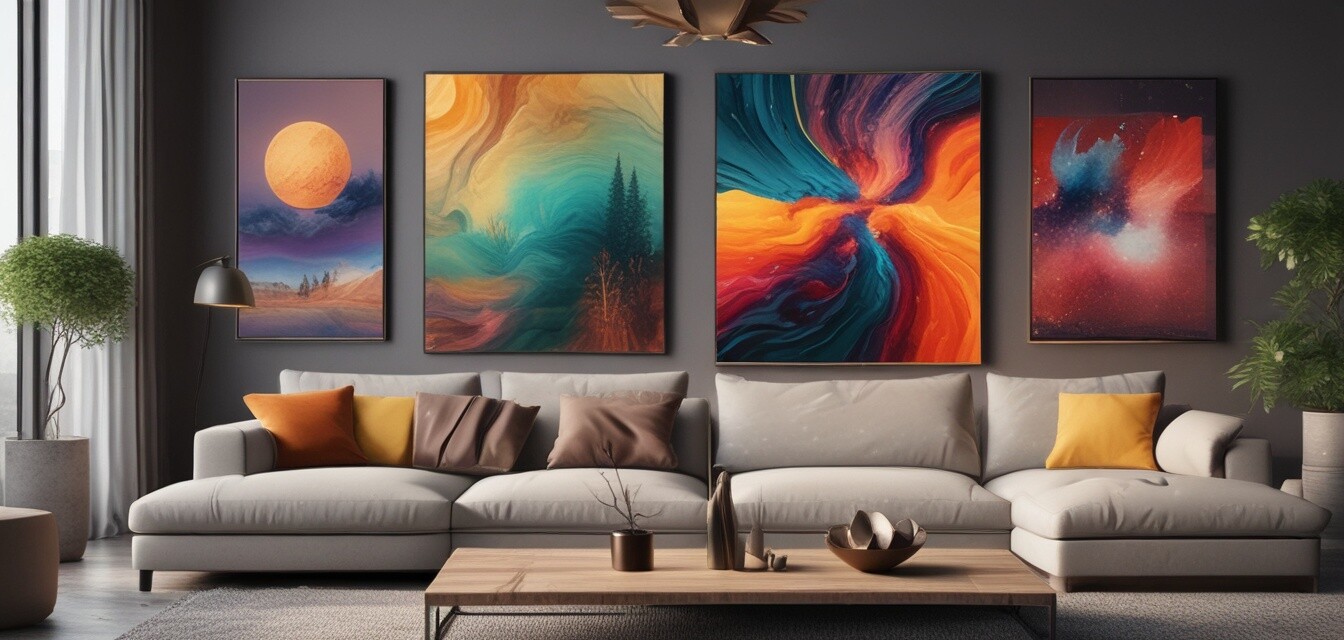
- Abstract: Unique designs that evoke emotion and creativity.
- Minimalist: Simple and elegant pieces that promote a tidy look.
- Fine Art Prints: Reproductions of classic works that are printed on sustainable materials.
- Textiles: Tapestries and fabric art that add warmth and texture.
Identifying Sustainable Brands
Not all brands are created equal; here’s how to identify those that are genuinely sustainable:
- Research their sourcing: Look for brands that transparently share their material sources.
- Check for certifications: Look for labels like Forest Stewardship Council (FSC) or Global Organic Textile Standard (GOTS).
- Read reviews: Customer feedback can shed light on the brand's sustainability practices.
- Look for local artists: Purchasing from local artisans minimizes shipping impacts and supports the community.
Guest Artist Spotlight
Supporting local artists not only enriches your home environment but also encourages sustainable practices. Here’s how to find and support them:
- Visit local art fairs and galleries to discover talented artists.
- Follow social media accounts of local art collectives.
- Join community events and workshops that promote local art.
Tips for Incorporating Sustainable Wall Art into Your Home
Beginner's Section
- Start small: Choose one or two pieces that resonate with your style.
- Mix and match: Combine different styles and materials to create a visually appealing gallery wall.
- Let it breathe: Leave some space between artworks to prevent visual clutter.
- Change it up: Don’t be afraid to rotate pieces to refresh your space regularly.
- Use eco-friendly hanging methods: Opt for biodegradable or non-toxic adhesives and hooks.
Final Thoughts
Selecting sustainable wall art is not just about aesthetics; it's a conscious choice for a better planet. By understanding materials, styles, and brands, you can curate a collection that reflects your values while creating a beautiful, eco-friendly home. For more tips on sustainable decorating, check out our other guides on Green Wall Art or Eco-Friendly Textiles.
Pros
- Supports environmentally conscious living.
- Provides unique, personalized decor options.
- Enhances the aesthetic appeal of your space.
- Encourages local economies through supporting artists.
- Promotes awareness about sustainable practices.
Cons
- Can be pricier than conventional options.
- Availability may be limited.
- Some pieces may require special care.