This article was generated using AI and is based on real customer reviews from the Amazon platform. It contains affiliate links, meaning we may earn a commission—at no extra cost to you. As Amazon Associates, we earn from qualifying purchases.
How to Choose Eco-Friendly Bedding
Key Takeaways
- Focus on organic and natural materials for bedding choices.
- Look for certifications like GOTS or OEKO-TEX for sustainable assurance.
- Consider durability and maintenance requirements to enhance lifespan.
- Evaluate the comfort features of different bedding materials.
- Prioritize brands that promote ethical and sustainable practices.
With the increasing awareness about sustainability, choosing eco-friendly bedding is a great step towards creating a healthier living environment. As you embark on this journey, it's essential to understand the materials, certifications, and brands that prioritize sustainability while offering comfort. In this guide, we will provide insights on how to choose the best eco-friendly bedding for your home without compromising on quality or comfort.
Why Choose Eco-Friendly Bedding?
Eco-friendly bedding options provide numerous benefits, not just for the environment but also for your well-being. Here are some key reasons:
- Reduced Environmental Impact: Sustainable materials minimize waste and pollution.
- Healthier Options: Non-toxic and hypoallergenic materials can improve indoor air quality.
- Comfort: Natural materials like organic cotton and bamboo offer softness and breathability.
- Durability: Eco-friendly products are often made to last, reducing the need for frequent replacements.
Key Materials for Eco-Friendly Bedding
When selecting bedding, consider the following materials that are both comfortable and sustainable:
| Material | Benefits | Considerations |
|---|---|---|
| Organic Cotton | Soft, breathable, and hypoallergenic; free from harmful chemicals. | Check for GOTS certification to ensure it’s truly organic. |
| Bamboo | Moisture-wicking, biodegradable, and naturally antibacterial. | Look for brands that use sustainable harvesting methods. |
| Hemp | Strong and durable; requires minimal water and no pesticides. | May have a rougher texture compared to cotton. |
| Recycled Polyester | Makes use of plastic bottles, reducing waste. | Check for certifications to ensure reduced environmental impact. |
Understanding Certifications
When exploring eco-friendly bedding options, look for certifications that validate their sustainability. Here are some important ones:
- Global Organic Textile Standard (GOTS): Ensures organic fibers are processed responsibly.
- OEKO-TEX Standard 100: Certifies textiles are free from harmful substances.
- Fair Trade Certified: Guarantees fair wages and safe working conditions for workers.
Choosing the Right Bedding for Your Needs
Consider the following factors while selecting your eco-friendly bedding:
- Size: Ensure your bedding fits your mattress dimensions.
- Comfort Level: Test different materials to find what feels best against your skin.
- Design and Aesthetic: Choose colors and patterns that fit your personal style.
- Care Instructions: Look for materials that are easy to wash and maintain.
Featured Products
Here are some recommended eco-friendly bedding products that stand out for their sustainability and quality:
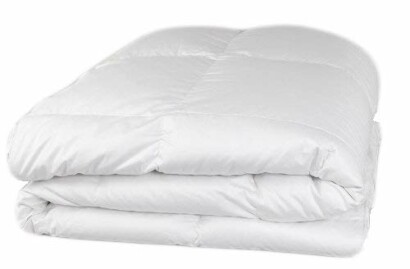 Top choice for comfort
Organic Goose Down Alternative Comforter
This eco-friendly comforter is made from recycled materials and features a soft organic cotton cover, perfect for those who prioritize both comfort and sustainability.
Learn More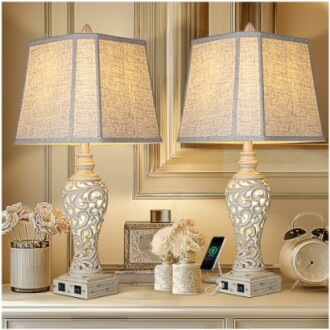 Stylish and practical
Table Lamps Set of 2
Perfect for bedside tables or living areas, these lamps feature convenient USB charging ports and a contemporary design complemented by eco-friendly materials.
Learn MoreMaintenance Tips for Eco-Friendly Bedding
To extend the life of your eco-friendly bedding, follow these maintenance tips:
- Wash bedding in cold water to save energy and protect fabrics.
- Use biodegradable laundry detergents to minimize environmental impact.
- Avoid bleach and fabric softeners which can damage natural fibers.
- Air dry whenever possible to preserve the integrity of the materials.
Pros
- Healthier and safer for the environment.
- Long-lasting and durable with proper care.
- Available in diverse designs and styles.
Cons
- Can be more expensive than conventional options.
- Limited availability in some regions.
Conclusion
Choosing eco-friendly bedding is a rewarding decision that positively impacts both your home and the planet. Consider the materials, certifications, and maintenance to find the perfect bedding that aligns with your values. By opting for high-quality, sustainable options, you contribute to environmental protection while enjoying the comfort and elegance of eco-friendly decor.
For more tips on sustainable living, check out our guides on green home textiles, and organic bedding and linens.